
Why Austin Is Still A Great Place to Live
So when I tell you Austin is still cool, I mean it with full awareness of everything that has changed — the traffic, the prices, the transplants, the loss of venues and dive bars and cheap apartments that made this place what it was. I'm not going to pretend none of that happened. But I am going to make the case that the soul of this city is more resilient than the critics give it credit for.
The Music Didn't Go Anywhere
Austin's claim to the title of Live Music Capital of the World gets mocked a lot now, usually by people who moved here in 2020 and immediately declared the scene dead. They're wrong. What died was a specific version of Austin's music scene — the one built on cheap rent and loose booking calendars, where you could stumble into a nobody on a Tuesday night who turned out to be somebody by Thursday.
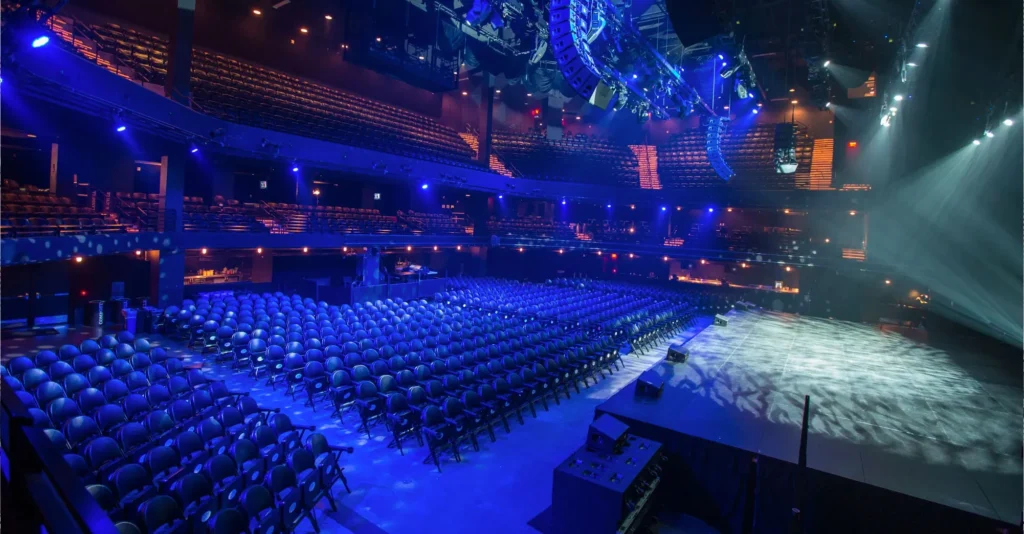
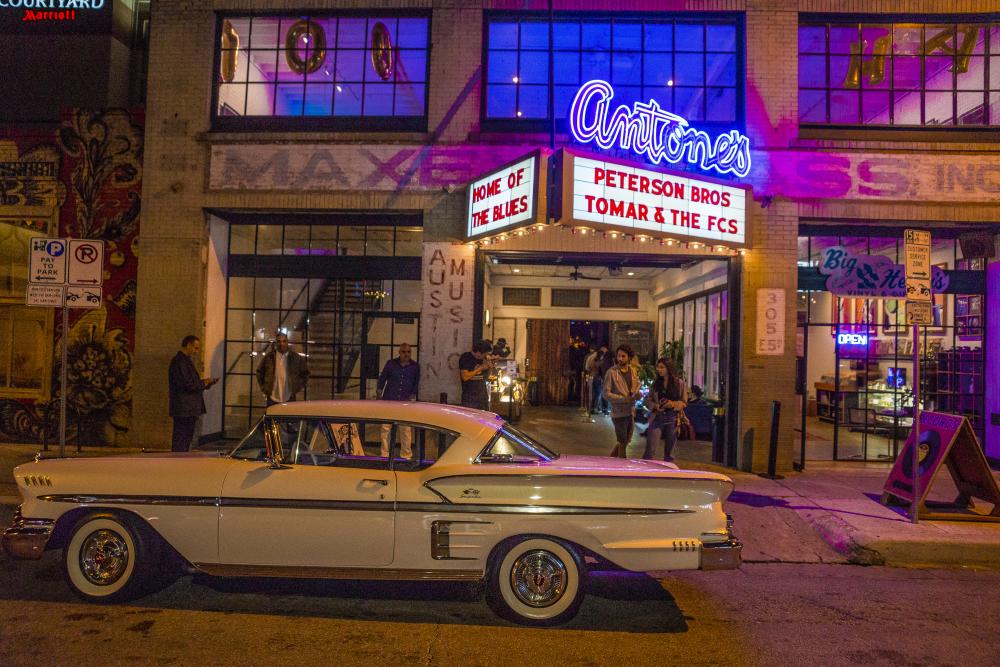
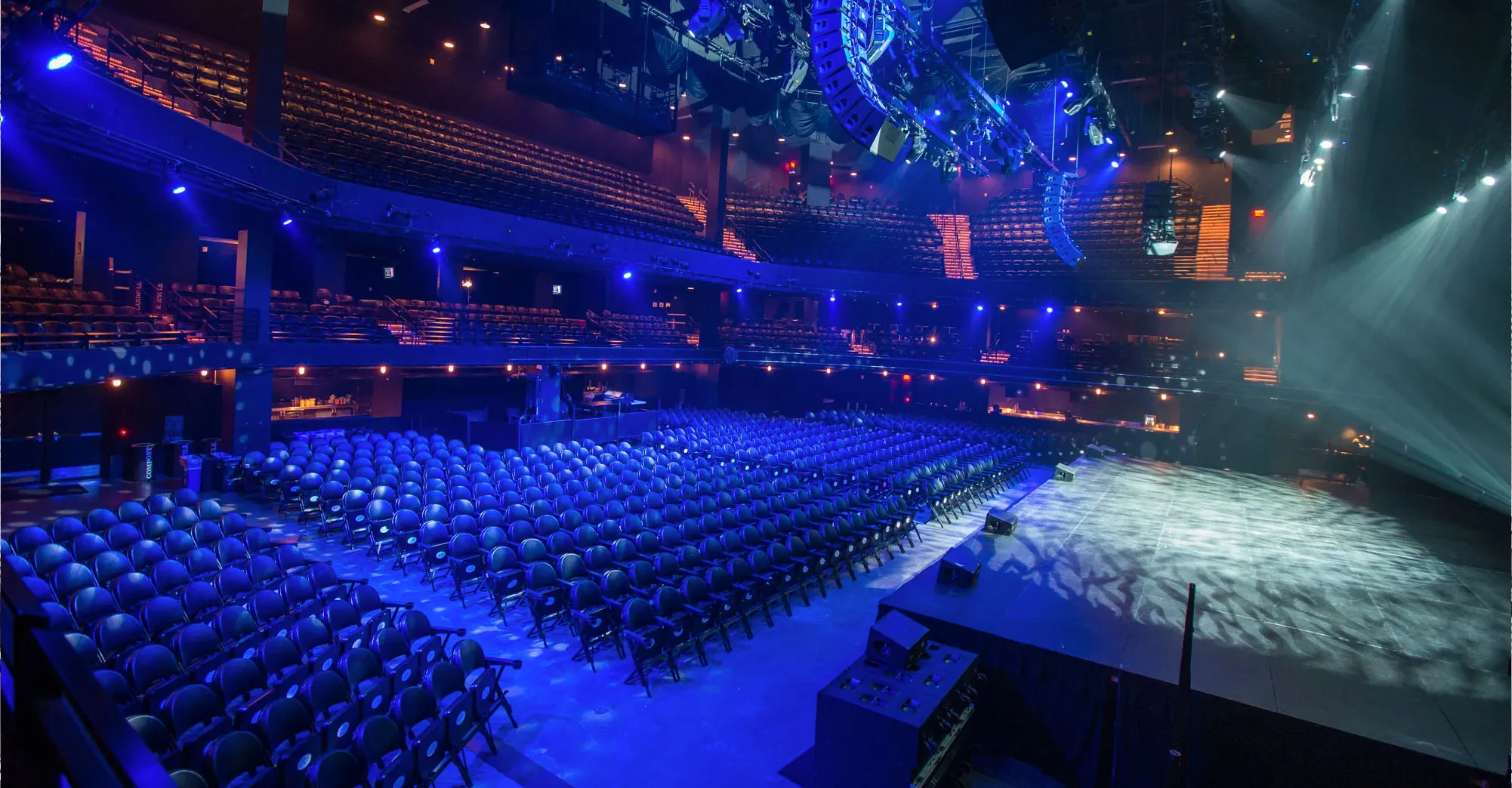
What replaced it is different, not absent. The Moody Centre is arguably one of the best places to hear live music in the world. Stubb's still hosts shows under the open sky with the Capitol in the background. The Parish, Emo's, and Antone's are still booking. The small room circuit along Red River — Mohawk, Cheer Up Charlies, Hotel Vegas — is alive and genuinely weird in ways that would feel at home in the Austin of 20 years ago. The musicians are still here. The songwriters are still here. The sound is still here. It just costs more to live near it now, which is a real problem, but it's not the same as the music being gone.
The Food Scene Has Actually Gotten Better
This is the one that surprises people. The narrative is that Austin sold out — that every interesting restaurant got replaced by a fast-casual chain or a rooftop brunch concept designed to be photographed rather than eaten. There's some truth to that in certain corridors. But the overall food ecosystem in 2026 is deeper, more diverse, and more technically accomplished than it was a decade ago.
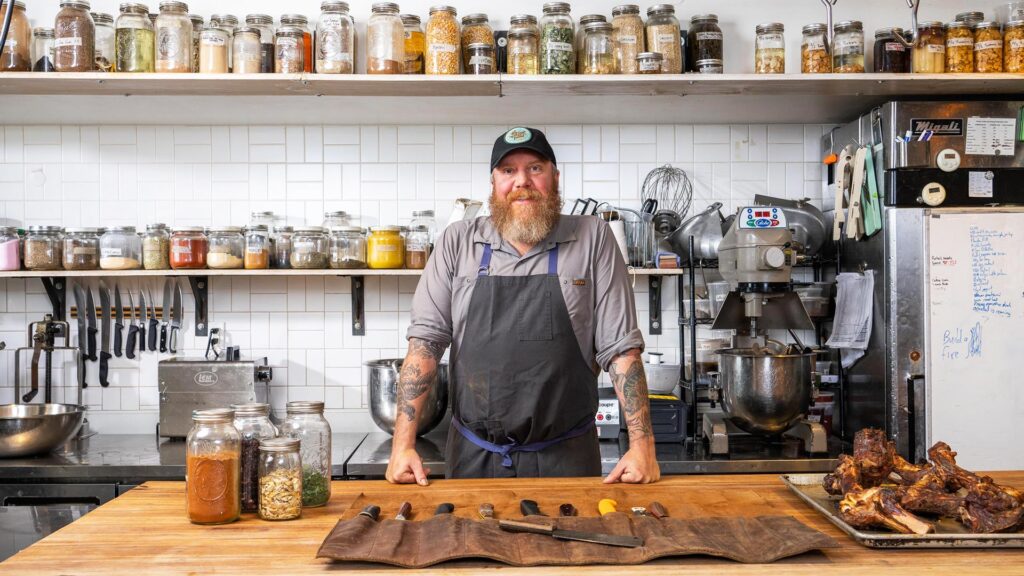
The barbecue reputation is well-earned and still being earned. Franklin is still Franklin. La Barbecue is still exceptional. Interstellar BBQ in Georgetown is doing things with brisket that would make central Texas pitmasters proud. And the taco situation — which was always Austin's most democratic culinary institution — remains world-class and relatively affordable if you know where to go. And then of course there's Dai Due, my personal favorite, serving wild game as an entrée.
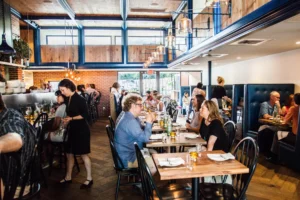
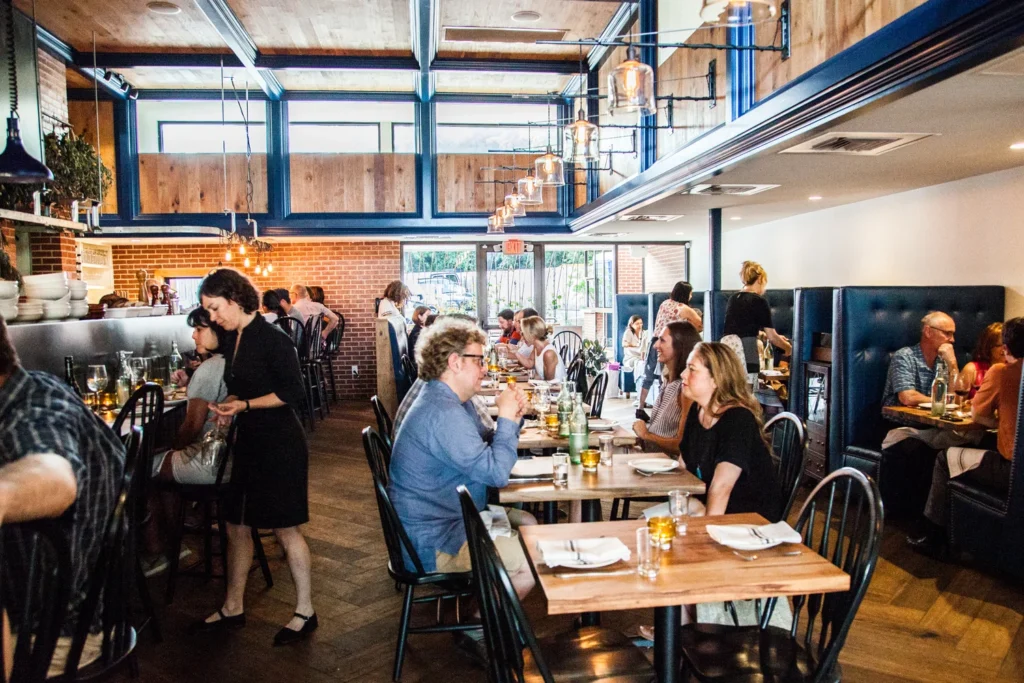
Beyond that, Austin now has a genuine fine dining scene, a thriving Vietnamese food corridor, some of the best Thai food in the South, and an Olamaie that could hold its own in any city in the country. The complaint that Austin lost its culinary identity misses that it traded a narrow identity for a much broader one.
The Outdoor Life Is Legitimately Unmatched

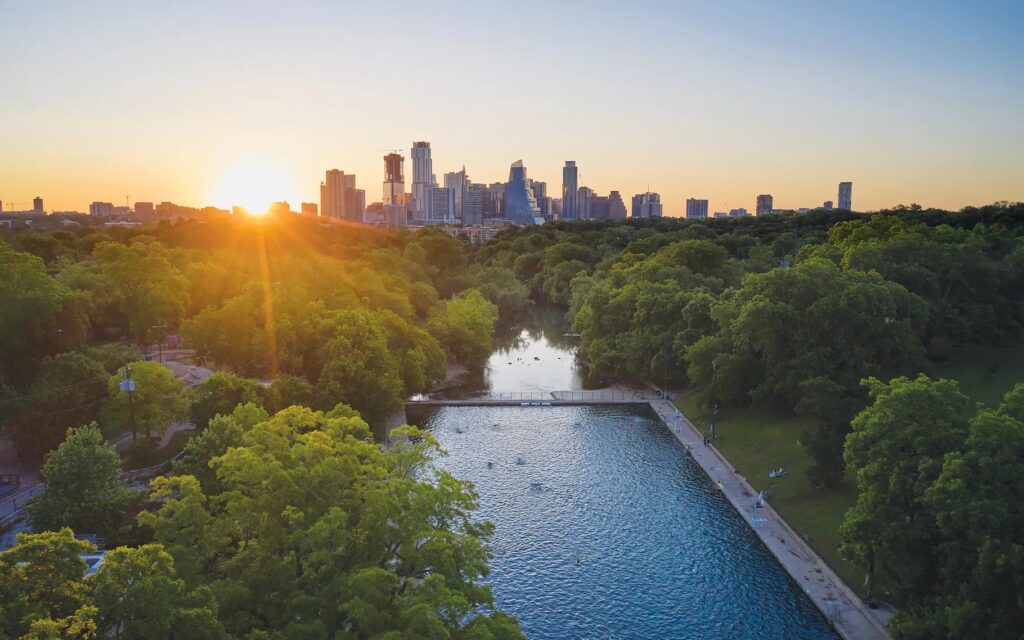
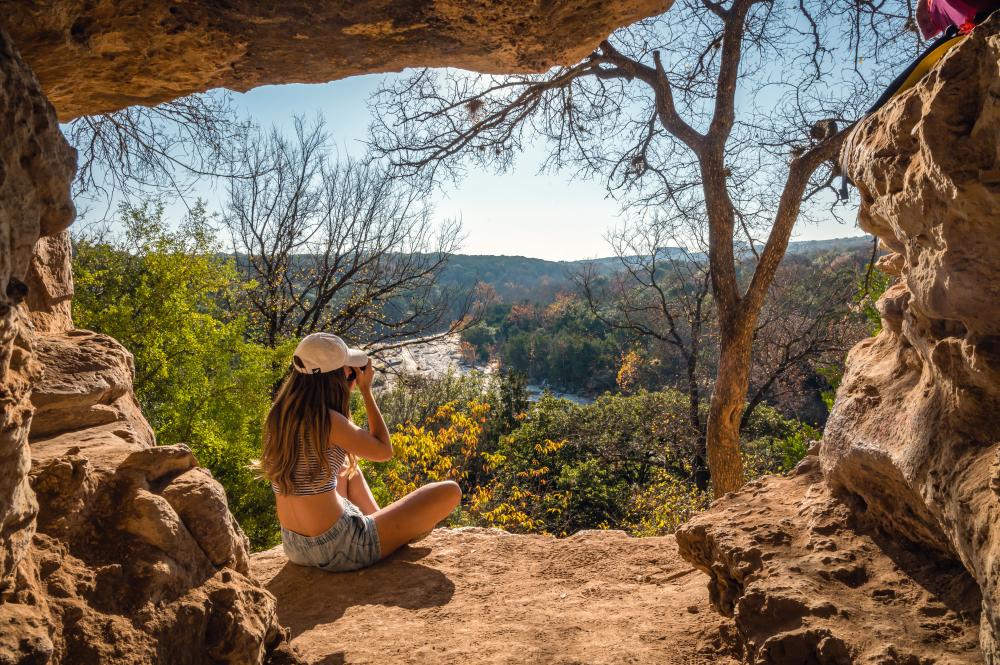
This one doesn't get enough credit in the "is Austin still worth it" conversation. Barton Springs Pool is still there — a natural spring-fed pool in the middle of a major American city, free or nearly free, cold enough in August to feel like a miracle. The Greenbelt still winds through limestone canyons with swimming holes that look like they belong in a national park. The hike and bike trail around Lady Bird Lake is one of the great urban greenways in the country.
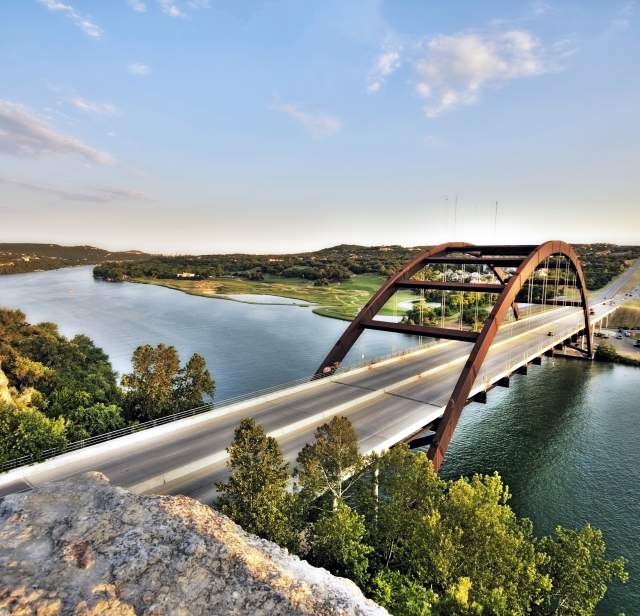
Thirty minutes west and you're in the Hill Country — cedar and live oak and wildflowers in spring, wineries and swimming holes and small towns that haven't fully discovered they're supposed to be expensive yet. An hour north and you're at Enchanted Rock. Two hours south and you're in the Frio River. The geographic situation of this city, sitting at the edge of the Hill Country with the Colorado River running through it, is genuinely rare among American metros. You can't build that. You can't replicate it. And it hasn't changed.
The Job Market Is Still One of the Strongest in the Country
The tech layoffs of 2023 and 2024 hit Austin hard enough that people started writing the obituary for the city's economy. Those obituaries were premature. Apple's campus in North Austin is fully operational and expanding. Tesla's Gigafactory is the largest manufacturing facility in Texas history. Dell's headquarters anchor the Domain. Samsung's semiconductor fab in Taylor, just 30 miles northeast, is one of the largest foreign direct investments in American history. Oracle relocated its headquarters here. SpaceX maintains a significant presence. The startup ecosystem, while quieter than the 2021 peak, is still one of the most active outside of Silicon Valley and New York.
The University of Texas continues to produce engineering, computer science, and business graduates who increasingly stay in Austin rather than leave for the coasts. That talent pipeline feeds a job market that, despite the correction from peak frenzy, remains one of the most diversified and resilient in the Sun Belt. The unemployment rate in the Austin metro sits well below the national average. The long-term demand for housing here — the fundamental driver of real estate values — is not a fabrication. It is a function of people continuing to choose Austin as a place to build their careers and their lives.
The Weirdness Persists, Quietly
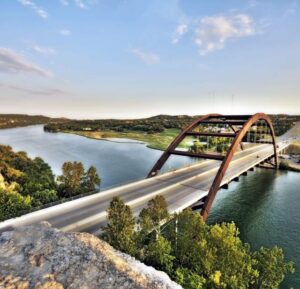
You have to look harder for it now. It's not on South Congress anymore, not really — that stretch has been premium retail for a decade. But it's in the record stores on Burnet Road and the artist studios in east Austin and the community gardens in Cherrywood and the venues in the Rainey Street area that somehow remain genuinely eclectic despite being surrounded by high-rises. It's in the political culture, which stubbornly resists easy categorization. It's in the fact that this city has more food trucks per capita than anywhere else in the country and takes that fact very seriously.
It's in the people, honestly. Austin attracts a specific kind of person — someone who wants to work hard and play hard, who cares about food and music and the outdoors, who has strong opinions about barbecue and will defend them at length, who moved here for a reason and found something that lived up to it. That character compounds. It replicates. The city's personality is a self-selecting loop, and the loop is still running.
What This Means If You're Thinking About Buying or Selling
I didn't write this post just to wax nostalgic about breakfast tacos, though I could. I wrote it because the "Austin is over" narrative has real consequences for how people think about real estate decisions here.
If you're a buyer on the fence, the underlying case for Austin hasn't changed. The lifestyle is real. The job market is real. The outdoor access is real. The food and music are real. You're buying into a city that people continue to choose — and that choice is the engine of long-term appreciation. The market has corrected from its peak, which means you're getting Austin at a discount relative to 2022. The fundamentals that drove prices up in the first place haven't disappeared. They've just paused while the market catches its breath.
If you're a seller wondering whether people still want to live here — they do. The demand slowdown is a function of mortgage rates and price adjustment, not of people falling out of love with the city. Pending contracts across the Austin metro are running 14.3% above the long-run historical average right now. Buyers are out there. They are active. They are making moves. They just need your home to be priced correctly for the market that exists today, not the one that existed in 2022.
Austin is still cool. It's different than it was. It's more expensive, more crowded, more polished in some ways and more anonymous in others. But the things that made people want to live here — the weather, the music, the food, the Hill Country, the jobs, the energy — are all still present. This city didn't peak. It grew up. And grown-up Austin, for all its complications, is still one of the best places in the country to put down roots.
I'd love to help. Reach out for a free, no-pressure conversation about the market and what it means for your situation.
👉 Get in Touch with Kevin